
Second Sunday in Ordinary Time • Year A
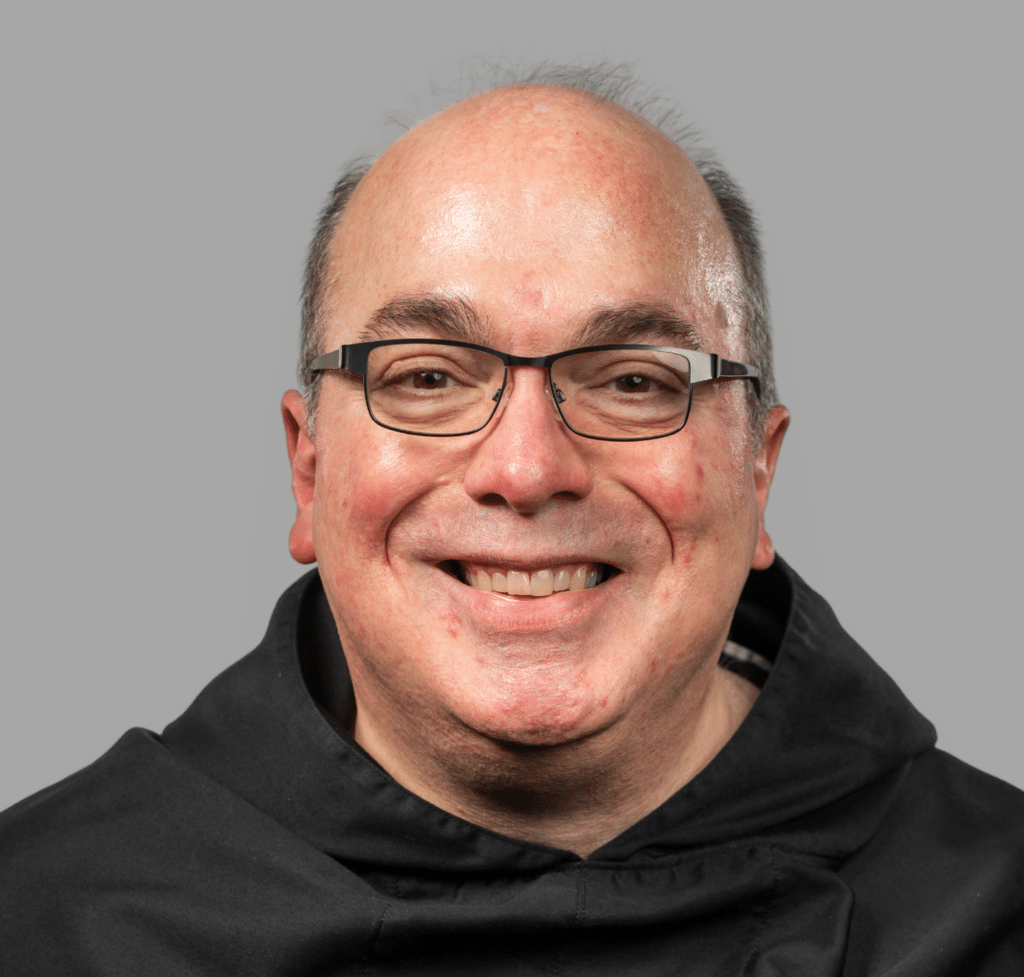
And Isaiah spends decades at the thankless task of calling Israel to return to the Lord. Then God says to Isaiah, “One more thing. It is too little for you to be my servant, to raise up the tribes of Jacob, and restore the survivors of Israel. I will make you a light to the nations, that my salvation may reach to the ends of the earth.” God tells Isaiah that all along He has been planning something more for the prophet, that one day Isaiah’s words will be heard far beyond the borders of Israel. We are the fulfillment of that prophecy. We hear his words – we, who live in a land Isaiah never knew existed, at a time in history he could never have imagined.
Second Sunday of Advent • Year A
John’s message is not “I’m okay, you’re okay.” John does not think “It’s all good.” John does not make a few suggestions for modest improvement. John says: Salvation is at hand, so change your lives! God is drawing near: Be prepared! Christ is coming, and so this is no time to fool about with half-measures. We must part with our corrupt desires, surrender our bad habits, cut off our selfishness, ambition, lust and laziness. We cannot walk the narrow path of salvation if we are burdened with the weight of unrepented sin. And John’s good news is that we do not have to: We can repent and be reconciled to the Lord.
Dedication of the Lateran Basilica in Rome
Today the Church throughout the world celebrates the dedication of the Lateran Basilica in Rome, known as the “Mother Church of Christendom.” The original basilica was given to the church in the 4th century by the Emperor Constantine. It has been destroyed by fire and earthquake, rebuilt, and is still today the official cathedral of the Pope and the church of Rome. But why do we celebrate the dedication of this one church? Because it symbolizes the union of the Roman Catholic Church throughout the world? Absolutely. Because it is historically important and artistically beautiful? Certainly.
Third Sunday in Ordinary Time • Year C
As children, we looked forward to the day we could receive communion. We knew it was Jesus, knew it was the greatest gift God has given us. But what we did not understand is the responsibility that comes with this gift: To eat what Christ gives, and then offer food to others; to receive Christ’s forgiveness, and then show mercy; to take the Lord of heaven and earth into our bodies, and then to live differently…
Twenty-Fifth Sunday in Ordinary Time • Year B
This is what Jesus wants in us. He does not want us always to be thinking ‘What’s in it for me?’ because Christ has already answered it. If you follow Christ, what’s in it for you is peace and joy, suffering and sacrifice in this life, and eternal life in the next. That’s what’s in it for us.
Twenty-Fourth Sunday in Ordinary Time • Year B
If Jesus were in advertising, Madison Avenue experts would judge his approach to be a dud. Today’s Gospel is especially clear about this, but it’s a trend that you can find throughout Jesus’ life. His first spokesman is John the Baptist, a wild-man dressed in camel’s hair, eating bugs and honey, yelling about sin and repentance and the coming judgment. Where are the perfect teeth, the groomed hair, the tailor-made suits and slick pitch – all the things you look for in a spokesman? Jesus himself isn’t much better. All his talk about eating his flesh and drinking his blood, his constant harping about turning away from sin, and now, today, his talk of rejection and crosses and death. Any half-decent focus group would never sanction Jesus’ advertising campaign. ‘Why can’t you focus on the rewards of exclusive membership rather than the cost of complete discipleship? And what is this business about being seen with lepers, tax collectors, and people possessed by demons? What demographic are you going for with all of this?’ But as always, Jesus thinks as God thinks, not as we do.
Sixteenth Sunday in Ordinary Time • Year B
In today’s Gospel, Jesus welcomes back the twelve Apostles. He had sent them out two-by-two to preach repentance, to drive out demons, and cure the sick, and now they have returned, full of stories of their successes, anxious to tell Jesus all they have done. Jesus has missed his friends. He wants to have a reunion with them, just himself and his closest companions. He says to them, “Come away by yourselves to a deserted place and rest a while.” Jesus is looking forward to a pleasant evening of eating and laughing and storytelling with his friends
Tenth Sunday in Ordinary Time • Year B
The Holy Spirit is the power of forgiveness. Recall the appearance of the risen Lord to the apostles recorded in the Gospel of John: Jesus said to them, “‘Peace be with you. As the Father has sent me, so I send you.’ And when he had said this, he breathed on them and said to them, ‘Receive the holy Spirit. Whose sins you forgive are forgiven them, and whose sins you retain are retained.’” To deny the Holy Spirit is to cut ourselves off from forgiveness. The Church has received this power from the risen Lord, and each of us has received this power in baptism.
Second Sunday in Ordinary Time • Year B
Actions are important, but our experience teaches us that words are, too. Every adult here today can think of words you would pay hard cash to buy back: Words hurled in anger, cruel gossip, a stupid joke, a schoolyard taunt that left a classmate in tears, a lie told to a trusting friend. And what of all those unspoken words you would bleed to have the chance to say? Words of apology to lost friends, words of gratitude to dead parents, words of forgiveness to a child, words of love to a spouse. Regret for what we failed to say often far outweighs grief over what we said.